
Emergency Preparedness Drills in Minnesota Schools
Emergency drills conducted regularly in Minnesota schools play a vital role in preparing students, staff, and visitors for potential emergencies. These drills reinforce correct procedures, reduce confusion, and improve overall response effectiveness. Practicing communication during each drill as if it were a real emergency is critical. Active shooter response relies heavily on immediate communication, an area that schools have often overlooked. This gap has contributed to greater harm during active threat situations. Repeated practice builds habits that help staff respond quickly and effectively. Locknow Safety serves as a comprehensive safety resource dedicated to helping schools in Minnesota remain prepared.
School Emergency Communication in Minnesota
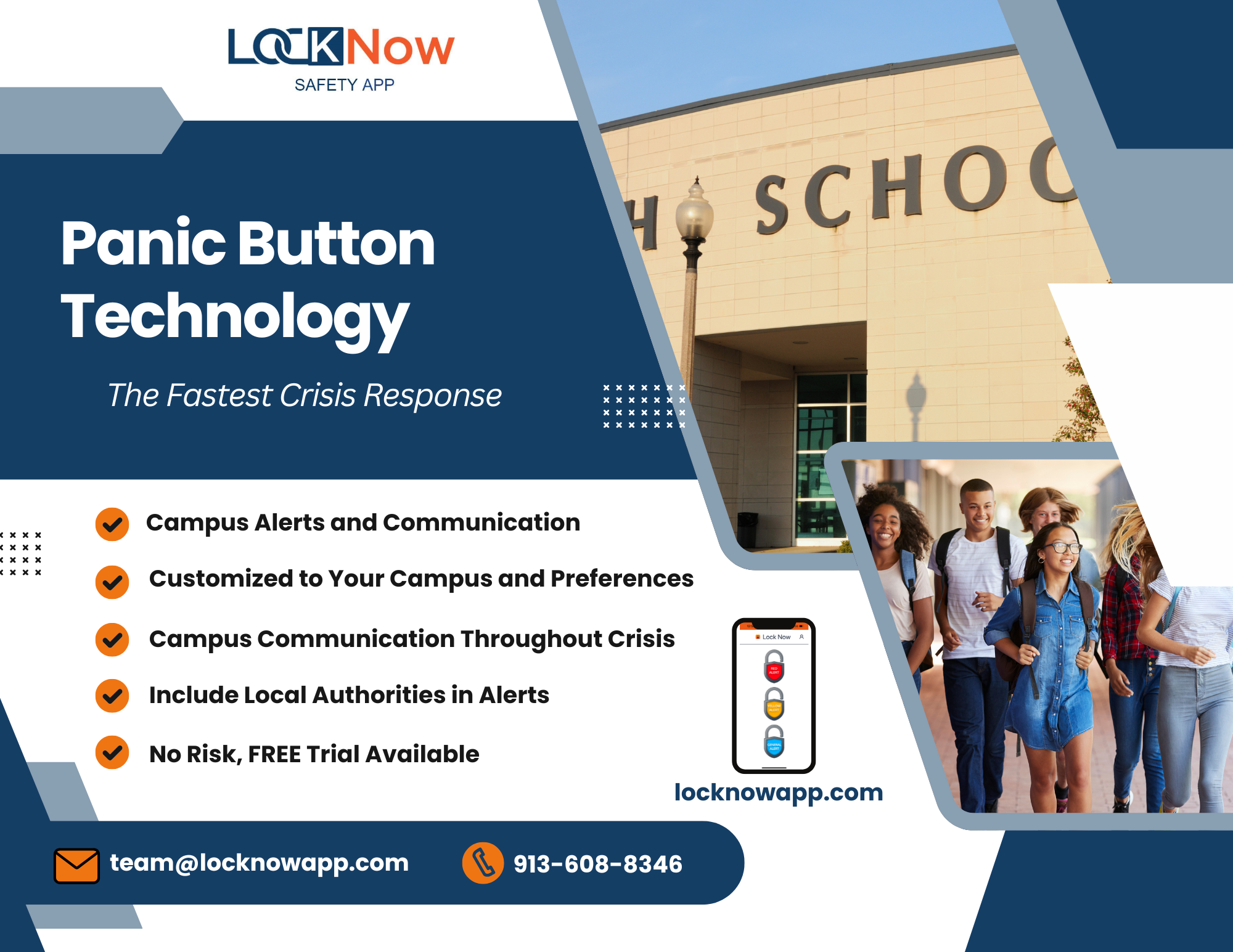
Schools using the Locknow Safety App in Minnesota should activate the drill feature during emergency drills to practice real-time communication. This feature mirrors live alert communication, helping staff rehearse responses as they would during an actual emergency. Communication must be fully integrated into emergency planning in Minnesota schools. Best practice includes using intercom systems alongside panic button technology like the Locknow App. With experience as school administrators, we know schedules are busy, which is why drills should be planned at the start of the year and followed consistently. Protecting students requires preparation and repetition. The Locknow Safety App delivers alerts across campus in seconds. Schools can register for a FREE TRIAL or CLICK HERE to request pricing for safety technology in Minnesota.
Comprehensive School Safety Training in Minnesota
Effective emergency preparedness in Minnesota schools requires advance planning and training for teachers and staff. In the event of an active shooter, fast response and confident action are critical to saving lives. Locknow Safety offers professional training to ensure staff are ready to respond under pressure. We guide schools through rehearsed decision-making, helping staff build confidence and readiness. Staff across Minnesota benefit from knowing they have a plan and are prepared to act during an active threat. We welcome the opportunity to support safer schools.
Click here for pricing for the Locknow Safety App.
Minnesota Emergency Drills & Safety Procedures
Fire Drills in Minnesota
Train students and staff for safe evacuation during fires:
- Sound fire alarms
- Follow assigned routes
- Assemble at meeting points
- Take attendance at safe locations
Earthquake Safety Drills in Minnesota
Practice “”Drop, Cover, and Hold On””:
- Drop immediately
- Take cover under furniture
- Hold until shaking ends
- Avoid windows and unsecured objects
Lockdown Drills in Minnesota
Prepare for internal threats. Locknow Safety Training guides staff in communication, securing doors, lights off, maintaining silence, staying hidden, and waiting for all-clear.
- Lock doors / Run, Hide, Fight
- Turn off lights
- Maintain silence
- Communicate via Locknow App
- Wait for all-clear
Minnesota Tornado Drills
- Move to interior rooms
- Stay on lowest floor
- Avoid windows
- Take protective posture
Minnesota Active Shooter Drills
Do not frighten students. Focus on lockdown drills and communication. Follow “”Run, Hide, Fight”” guidance from Locknow Safety Training.
- Run: Evacuate
- Hide: Secure location
- Fight: Last resort
2. Effective Drill Practices in Minnesota
Establish Clear Procedures
- Define procedures for all drill types
- Mark evacuation routes clearly
- Identify specific shelter areas
- Implement clear lockdown protocols
Schedule Consistent Drills in Minnesota
- Conduct drills at random times
- Include varied emergency scenarios
- Practice drills during lunch and class changes
Inclusive Planning in Minnesota
- Accommodate students with disabilities
- Ensure routes are accessible
- Provide assistance plans as needed
Work with Minnesota Authorities
- Coordinate with local law enforcement
- Work with fire departments
- Include emergency medical services
3. Drill Feedback and Evaluation in Minnesota
After drills, evaluate thoroughly:
- Conduct debriefing sessions to identify improvements
- Collect participant feedback from all staff
- Measure response times accurately
- Evaluate communication effectiveness
- Document lessons learned
- Update procedures accordingly
Official Emergency Drill & School Safety Resources
- FEMA Active Shooter: What You Can Do – Federal Emergency Management Agency (FEMA)
- Making Prevention a Reality: Identifying, Assessing, and Managing the Threat of Targeted Attacks – Federal Bureau of Investigation (FBI)
- Run. Hide. Fight. – Open Spaces – Federal Bureau of Investigation (FBI)
- Guide for Developing High-Quality School Emergency Operations Plans – Federal Emergency Management Agency (FEMA)
- Active Shooter Preparedness – Cybersecurity and Infrastructure Security Agency (CISA)
- Active Shooter Event Quick-Reference Guide – Federal Bureau of Investigation (FBI)
- Department of Homeland Security Exercise Starter Kits – SchoolSafety.gov
- School Drill Planning Resources – Great ShakeOut Earthquake Drills
Minnesota schools range from the Minneapolis-St. Paul metropolitan area to agricultural communities and remote northern regions. Emergency drill planning should consider severe winter weather, extreme cold, heavy snow, flooding, tornadoes, severe thunderstorms, and wildfire. Schools should practice communication, sheltering, evacuation, and reunification procedures appropriate for both metropolitan campuses and communities separated by long travel distances.