
Oklahoma Emergency Drills for Schools
Emergency drills conducted regularly in Oklahoma schools play a vital role in preparing students, staff, and visitors for potential emergencies. These drills reinforce correct procedures, reduce confusion, and improve overall response effectiveness. Practicing communication during each drill as if it were a real emergency is critical. Active shooter response relies heavily on immediate communication, an area that schools have often overlooked. This gap has contributed to greater harm during active threat situations. Repeated practice builds habits that help staff respond quickly and effectively. Locknow Safety serves as a comprehensive safety resource dedicated to helping schools in Oklahoma remain prepared.
Oklahoma Emergency Communication for School Safety
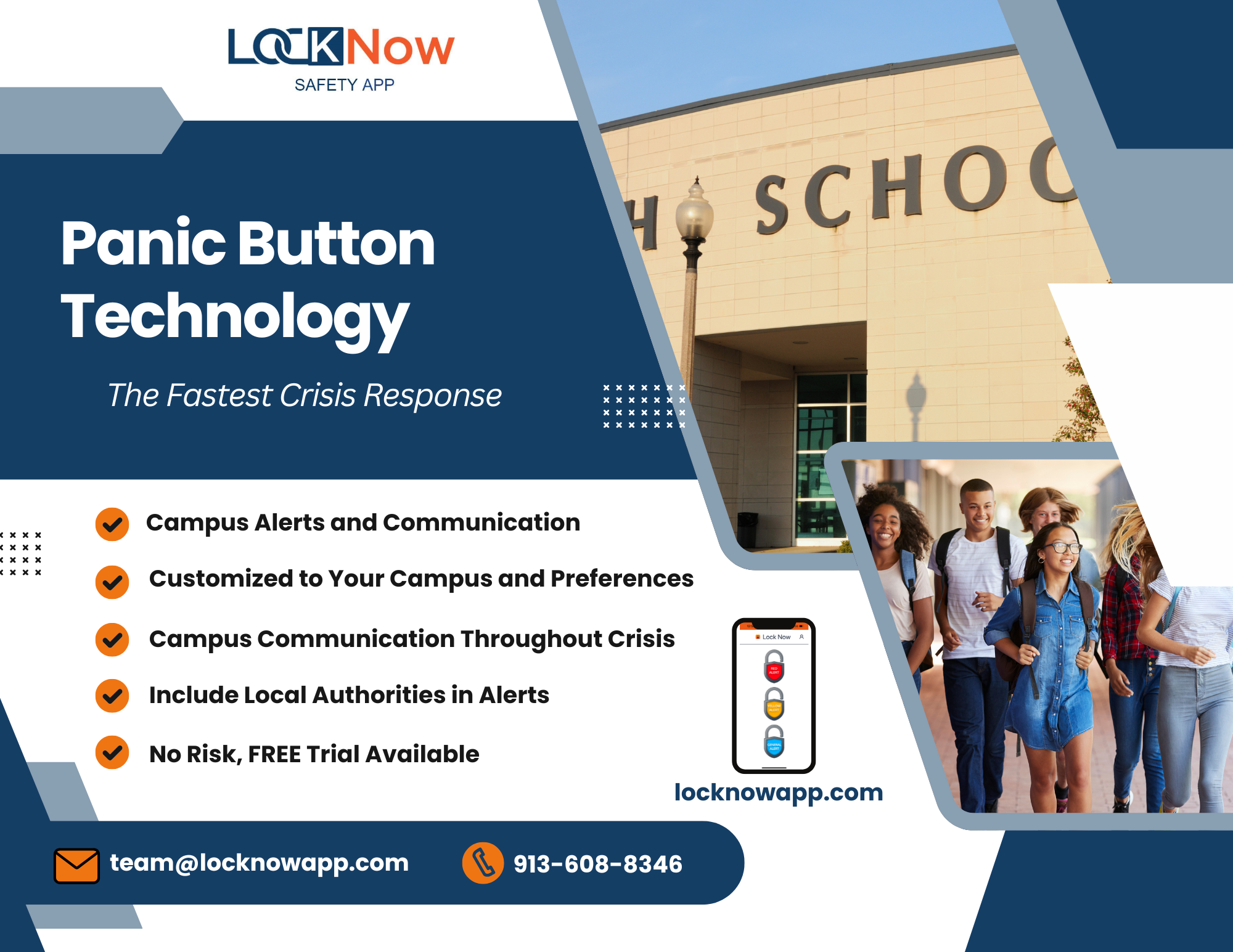
When using the Locknow Safety App in Oklahoma for immediate alerts and communication, schools should use the drill feature during emergency drills. This can be easily done when activating an alert and allows staff to rehearse the same communication used during a real crisis. Communication must be a core part of the emergency planning process in Oklahoma schools. It is also best practice to incorporate intercom systems into drills along with panic button technology such as the Locknow App. As former school administrators, we understand how busy school campuses can be. Schedule drills at the beginning of the year and remain consistent. One of the most important responsibilities schools have is keeping students safe, which requires planning, practice, and consistency. Emergency and drill communication can be delivered within seconds using the Locknow Safety App, enabling immediate response. Register for a FREE TRIAL to see how panic button technology works on your devices, or CLICK HERE to request a quote for affordable safety technology in Oklahoma.
Safety Training for Schools in Oklahoma
Effective emergency preparedness in Oklahoma schools requires advance planning and training for teachers and staff. In the event of an active shooter, fast response and confident action are critical to saving lives. Locknow Safety offers professional training to ensure staff are ready to respond under pressure. We guide schools through rehearsed decision-making, helping staff build confidence and readiness. Staff across Oklahoma benefit from knowing they have a plan and are prepared to act during an active threat. We welcome the opportunity to support safer schools.
Click here for pricing for the Locknow Safety App.
1. Oklahoma Emergency Drills Checklist
Oklahoma Fire Drills
Fire drills prepare occupants for swift and orderly evacuation in the event of a fire. They involve:
- Sounding the fire alarm
- Following designated evacuation routes
- Gathering at assembly points
- Taking attendance at safe locations
Earthquake Drills in Oklahoma
Using the “”Drop, Cover, and Hold On”” technique:
- Drop to the ground
- Take cover under sturdy furniture
- Hold on until shaking stops
- Stay away from windows and unsecured items
Lockdown Drills in Oklahoma
Procedures for threats inside the school. Locknow Safety provides professional Active Threat and Mitigation Training. Communicate the Threat! Plan communication using the Locknow Safety App, lock all doors, turn off lights, maintain silence, keep communication lines open, stay out of sight, and wait for all-clear signal.
- Lock all doors – reinforce if possible, Run, Hide, Fight response
- Turn off lights
- Maintain silence
- Keep communication lines open
- Stay out of sight
- Wait for all-clear signal
Oklahoma Tornado Drills
Safety procedures for tornado threats:
- Move to interior rooms
- Stay on lowest floor
- Avoid windows and glass
- Assume protective postures
Oklahoma Active Shooter Drills: CAUTION
Do not frighten students with loud sounds or fake weapons. Practice as lockdown drills, focusing on mental rehearsal and communication. Using the “”Run, Hide, Fight”” protocol: Locknow Safety Training guides staff through the decision-making process..
- Run: Evacuate if possible
- Hide: Secure location if evacuation isn’t possible
- Fight: Last resort if directly threatened
2. Drill Best Practices in Oklahoma
Set Clear Procedures
- Procedures clearly defined for each drill type
- Marked evacuation routes
- Designated shelter areas
- Detailed lockdown protocols
Conduct Regular Drills in Oklahoma
- Schedule drills at varying times
- Practice multiple scenarios
- Include drills during lunch and transitions
Inclusive Planning in Oklahoma
- Support individuals with disabilities
- Ensure accessibility of routes
- Provide specialized assistance plans
Collaborate with Oklahoma Emergency Authorities
- Coordinate with law enforcement
- Work with fire departments
- Include EMS
3. Drill Review and Feedback in Oklahoma
After each drill, conduct detailed evaluations:
- Debrief to find areas of improvement
- Gather feedback from participants
- Assess response times with timers
- Evaluate communication methods
- Record lessons learned
- Update procedures as necessary
Official Emergency Drill & School Safety Resources
- FEMA Active Shooter: What You Can Do – Federal Emergency Management Agency (FEMA)
- Making Prevention a Reality: Identifying, Assessing, and Managing the Threat of Targeted Attacks – Federal Bureau of Investigation (FBI)
- Run. Hide. Fight. – Open Spaces – Federal Bureau of Investigation (FBI)
- Guide for Developing High-Quality School Emergency Operations Plans – Federal Emergency Management Agency (FEMA)
- Active Shooter Preparedness – Cybersecurity and Infrastructure Security Agency (CISA)
- Active Shooter Event Quick-Reference Guide – Federal Bureau of Investigation (FBI)
- Department of Homeland Security Exercise Starter Kits – SchoolSafety.gov
- School Drill Planning Resources – Great ShakeOut Earthquake Drills
Oklahoma schools serve communities around Oklahoma City and Tulsa as well as many rural and agricultural areas. Emergency drill planning should consider tornadoes, severe thunderstorms, high winds, hail, flooding, extreme heat, winter weather, and the challenges of rural transportation routes. Schools should regularly practice severe-weather sheltering, communication, evacuation, and reunification procedures.