
School Emergency Drills in Kentucky
In Kentucky schools, regularly scheduled emergency drills are essential for building preparedness and confidence among students, staff, and visitors. These drills reduce panic and ensure proper procedures are followed during emergencies. Practicing communication during drills as if the situation were real is crucial. Active shooter incidents require immediate communication, yet schools have often failed to prioritize this aspect of preparedness. This lack of focus has resulted in greater harm during active threat situations. Consistent practice helps staff develop dependable response habits. Locknow Safety is a comprehensive resource committed to improving school safety in Kentucky.
Critical Emergency Communication in Kentucky Schools
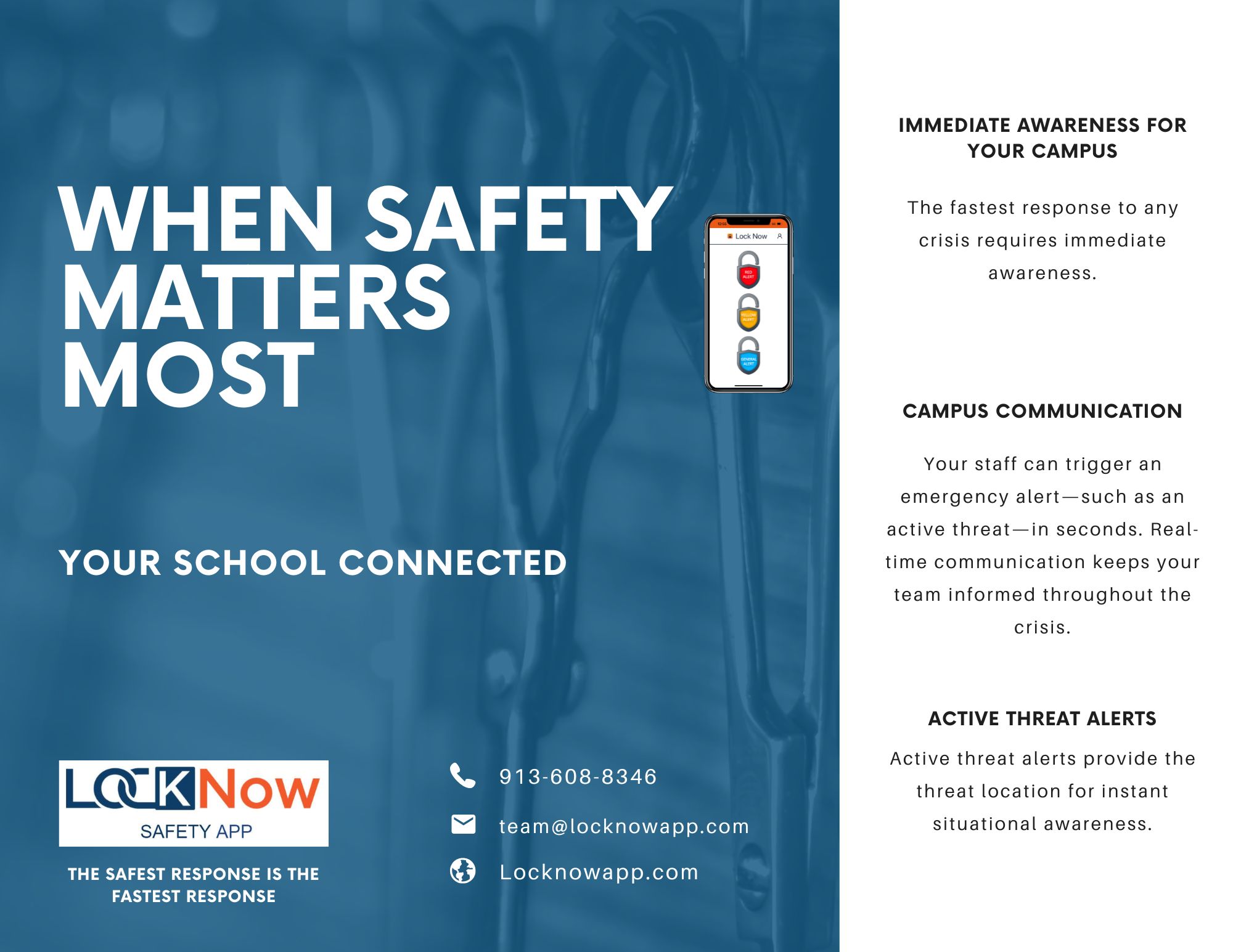
When using the Locknow Safety App in Kentucky for immediate alerts and communication, schools should use the drill feature during emergency drills. This can be easily done when activating an alert and allows staff to rehearse the same communication used during a real crisis. Communication must be a core part of the emergency planning process in Kentucky schools. It is also best practice to incorporate intercom systems into drills along with panic button technology such as the Locknow App. As former school administrators, we understand how busy school campuses can be. Schedule drills at the beginning of the year and remain consistent. One of the most important responsibilities schools have is keeping students safe, which requires planning, practice, and consistency. Emergency and drill communication can be delivered within seconds using the Locknow Safety App, enabling immediate response. Register for a FREE TRIAL to see how panic button technology works on your devices, or CLICK HERE to request a quote for affordable safety technology in Kentucky.
School Safety Training in Kentucky
The level of preparedness required in Kentucky for emergency drills and real-world incidents demands forethought and proper training for teachers and staff. Especially during active shooter events, preparing for a swift response and decisive action can save lives. Locknow Safety provides professional training to ensure staff are ready to take action and respond quickly. We guide schools through decision-making and rehearsal, helping build confidence among staff. Educators and staff in Kentucky gain peace of mind knowing they have a clear plan for an active threat incident and are prepared to act. We would welcome the opportunity to work with your staff to help maintain a safer school environment.
Click here for pricing for the Locknow Safety App.
Emergency Drill Checklist for Kentucky Schools
Kentucky Fire Drills
Fire drills ensure occupants can evacuate safely and efficiently:
- Activate alarms
- Follow evacuation routes
- Assemble at designated points
- Conduct attendance at safe zones
Earthquake Drills in Kentucky
Follow “”Drop, Cover, and Hold On”” method:
- Drop to the ground
- Take cover
- Hold on until shaking stops
- Stay away from windows and loose items
Lockdown Drills in Kentucky
Procedures for internal threats, reinforced by Locknow Safety Training. Include communication, locking doors, lights off, silence, out of sight, and waiting for all-clear.
- Lock doors / Run, Hide, Fight response
- Maintain silence
- Keep communication open
- Stay hidden
- Wait for all-clear signal
Kentucky Tornado Drills
- Move to interior rooms
- Stay on lowest floor
- Avoid glass
- Take protective postures
Kentucky Active Shooter Drills
Do not frighten students; focus on lockdown procedures and communication rehearsal. Use “”Run, Hide, Fight”” protocol guided by Locknow Safety.
- Run: Evacuate
- Hide: Secure location
- Fight: Last resort
2. Best Practices for Conducting Drills in Kentucky
Develop Clear Procedures
- Well-defined procedures for each drill type
- Designated evacuation routes
- Specific shelter areas
- Clear lockdown protocols
Schedule Regular Drills in Kentucky
- Conduct drills at varying times
- Include different scenarios
- Practice during lunch and between classes
Inclusive Planning in Kentucky
- Accommodate individuals with disabilities
- Ensure accessible evacuation routes
- Provide specialized assistance plans
Collaborate with Kentucky Authorities
- Work with local law enforcement
- Coordinate with fire departments
- Include emergency medical services
3. Feedback and Evaluation in Kentucky
After each drill, conduct thorough evaluations:
- Hold debriefing sessions- This is vital and the purpose is not to point out what went wrong, it is to identify where we need to improve.
- Gather participant feedback- Enable feedback from everyone.
- Assess response times- Use a timer and measure how fast your campus can secure in place, this should be seconds not minutes.
- Review communication effectiveness- Assure communication is planned and prepared.
- Document lessons learned
- Update procedures as needed
Official Emergency Drill & School Safety Resources
- FEMA Active Shooter: What You Can Do – Federal Emergency Management Agency (FEMA)
- Making Prevention a Reality: Identifying, Assessing, and Managing the Threat of Targeted Attacks – Federal Bureau of Investigation (FBI)
- Run. Hide. Fight. – Open Spaces – Federal Bureau of Investigation (FBI)
- Guide for Developing High-Quality School Emergency Operations Plans – Federal Emergency Management Agency (FEMA)
- Active Shooter Preparedness – Cybersecurity and Infrastructure Security Agency (CISA)
- Active Shooter Event Quick-Reference Guide – Federal Bureau of Investigation (FBI)
- Department of Homeland Security Exercise Starter Kits – SchoolSafety.gov
- School Drill Planning Resources – Great ShakeOut Earthquake Drills
Kentucky schools serve communities ranging from Louisville and Lexington to Appalachian communities, smaller towns, and rural areas. Emergency drill planning should consider tornadoes, severe thunderstorms, flooding, winter weather, landslides in mountainous areas, and transportation challenges created by rural roads and varied terrain. Schools should coordinate drills with local emergency management, fire departments, law enforcement, and nearby communities.